English

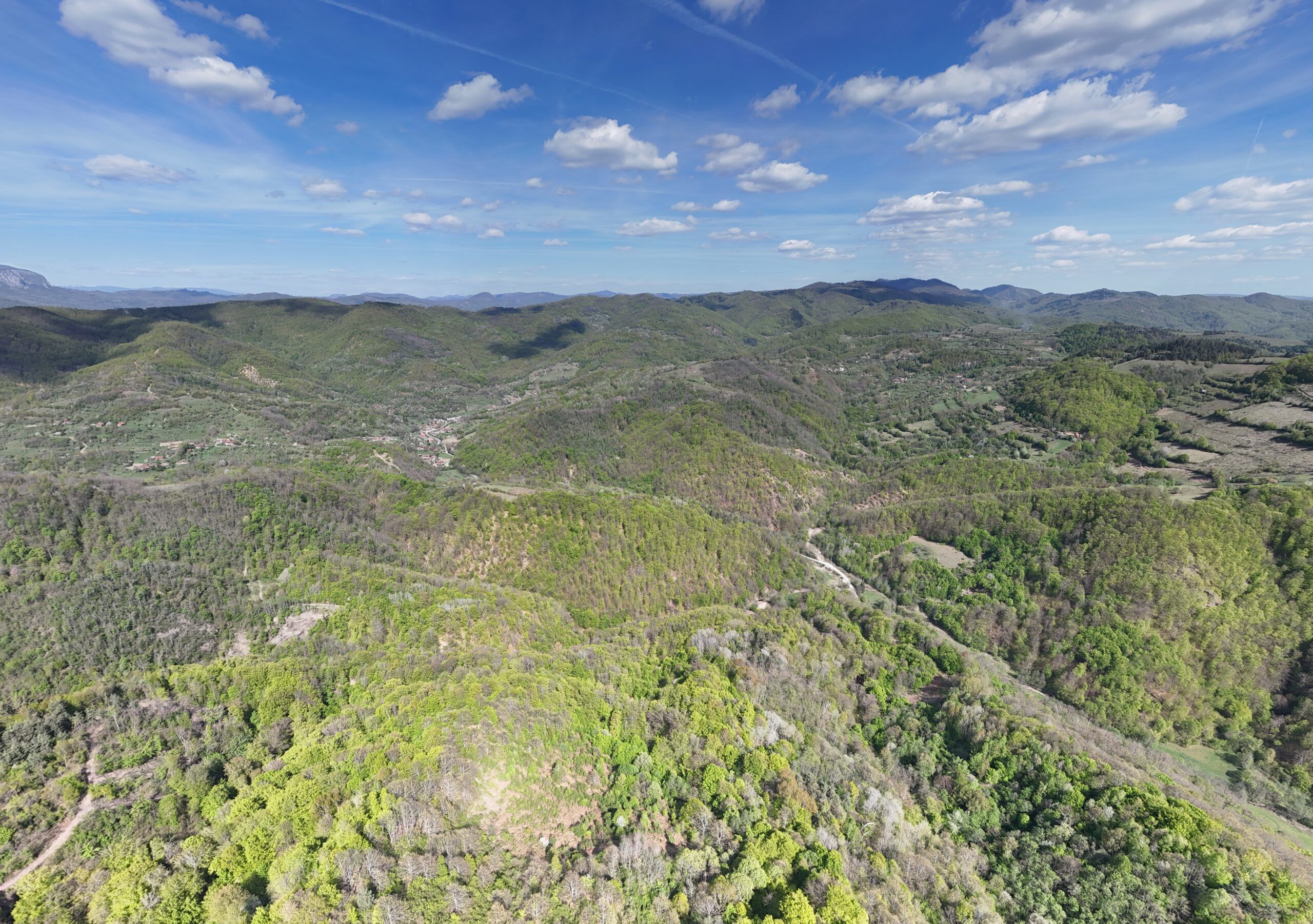
Euro Sun Mining does not recognize local opposition in Rovina mining project: transparency and lawsuit issues
The Rovina Valley mining project amid growing concerns over Euro Sun Mining’s transparency, local legal disputes, and controversial fast-track legislation.
The economic venture at Rovina has returned on the national agenda, facilitated by a legislative initiative known as the „Grindeanu Law” which revives the legal framework proposed in 2013 for the Roșia Montană project.
The project includes provisions that could violate rights, such as the expropriation of citizens for the benefit of private companies, limiting access to justice for local communities, and numerous exemptions from environmental protection standards.
A new investigation published by România Curată on May 8, 2026, brings back into focus the connections between Euro Sun Mining and the giants Glencore and Trafigura—corporations marked by a controversial criminal history. These corporations, which entered into agreements to purchase ore from Rovina, have been convicted in the US for corruption schemes, bribing foreign officials and market manipulation.
Furthermore, the Canadian firm’s organizational structure utilizes subsidiaries in tax havens like Cyprus, which raises serious questions regarding transparency and legal accountability, according to civil society organizations such as the Declic community. This comes despite the project being publicly presented as strategic for the European Union in order to secure critical raw materials.
In official reports addressed to the Toronto Stock Exchange or potential investors, the project’s promoters continue to downplay local opposition to the Rovina project. An analysis of the company’s official filings reveals a parallel reality:
Local Opposition: Invisible in Business Plans, Decisive in Risk Documents
Beyond ESM‘s falsely optimistic press releases, the true vulnerability of the Rovina project is exposed by the company itself in its latest statutory filings to the Canadian authorities.
In the Management’s Discussion and Analysis (MD&A) and the Annual Information Form (AIF) published in March 2026, Euro Sun Mining admits to investors that civil society opposition is not just background noise, but a concrete legal barrier that has already succeeded in suspending key permits in court.
While older technical reports, such as the 2022 Feasibility Study (FS 2022), unrealistically presented the project as fully accepted and viable, the new management analysis (MD&A) reveals critical vulnerabilities and legal disputes, acknowledging that the civic resistance the company tried to ignore is, in fact, the force blocking its permits in court. Specifically:
- The Technical Report (FS 2022): Claims that Euro Sun Mining (ESM) maintains „good community relations,” using the argument that locals allowed unhindered surface access for drilling, which is interpreted as implicit acceptance.
- The Management’s Discussion and Analysis (MD&A): Shows a much more tense reality. It officially acknowledges that the local subsidiary, SAMAX, was sued by Declic Association at the end of 2022. This legal action aimed to suspend and annul the environmental permit—a direct contradiction to the claim of good relations with the locals.
It is relevant that the local association EcouRovinaBucureșci also intervened in this case, acting as a pillar of support for the local community and defending its interests against the mining project.
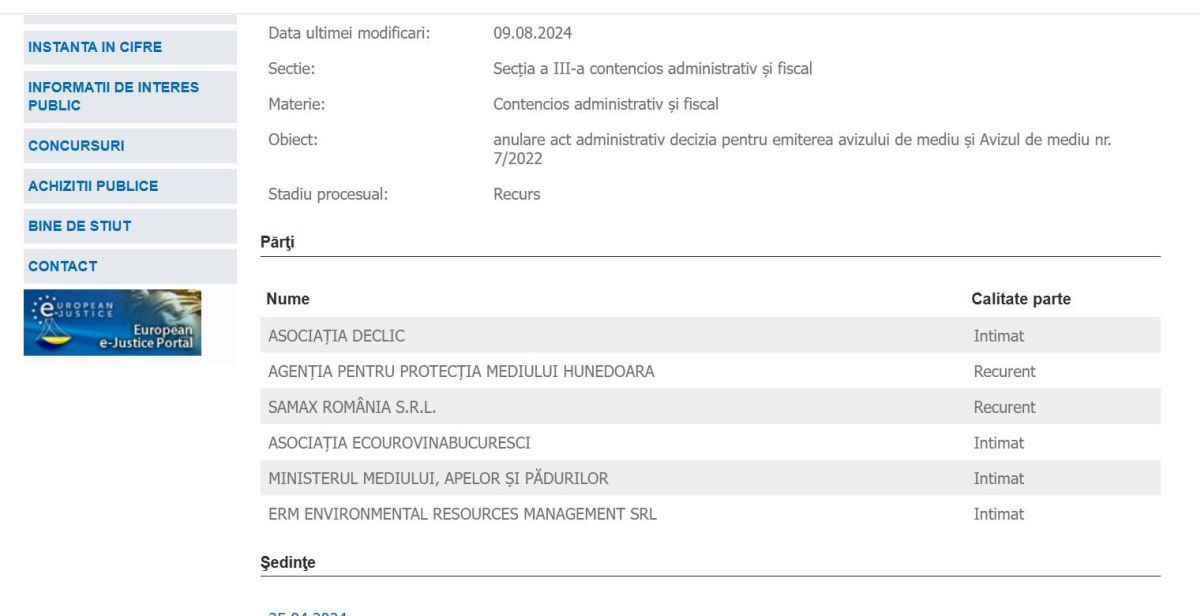
Screenshot of Case No: 5220/117/2022
Here is what the company’s representatives write, in black and white, in their latest management report (MD&A, translated from the original):
„At the end of 2022, SAMAX received a notification from the Cluj Tribunal regarding a lawsuit filed by the Declic Association against the company, seeking the suspension of the environmental permit held by SAMAX for the Rovina Valley project, followed by an action to annul the same permit.
In July 2023, the Company was granted a two-year extension of its Urbanism Certificate.
In October 2023, the Cluj Tribunal ruled that the environmental endorsement (ERM) issued by the Ministry of Environment was not valid at the time the Company submitted its environmental report to obtain the permit. The Company will not appeal this decision and is preparing a new documentation package to obtain a new environmental permit.
On March 25, 2025, the Company announced that the Rovina Valley project was included on the European Union’s first list of strategic assets, following the May 27, 2024 call under the Critical Raw Materials Act (CRMA). This decision allows Euro Sun to accelerate the permitting process in accordance with new European legislative directives designed to facilitate the development of the Rovina Valley project.”
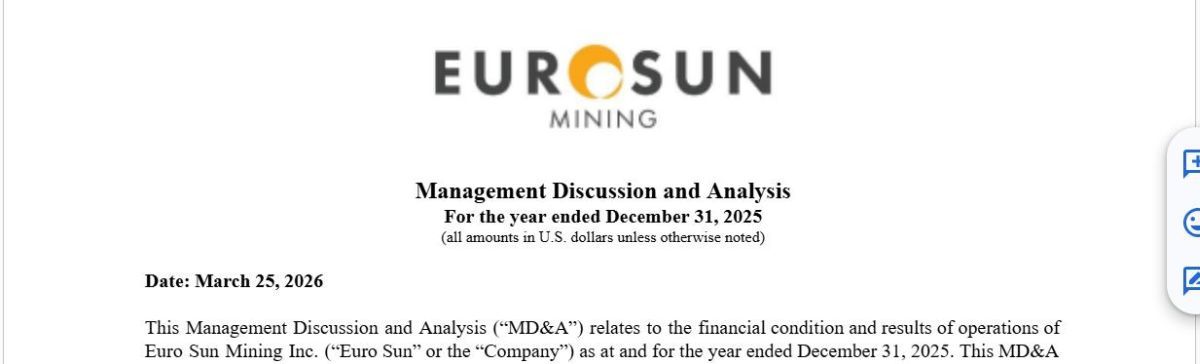
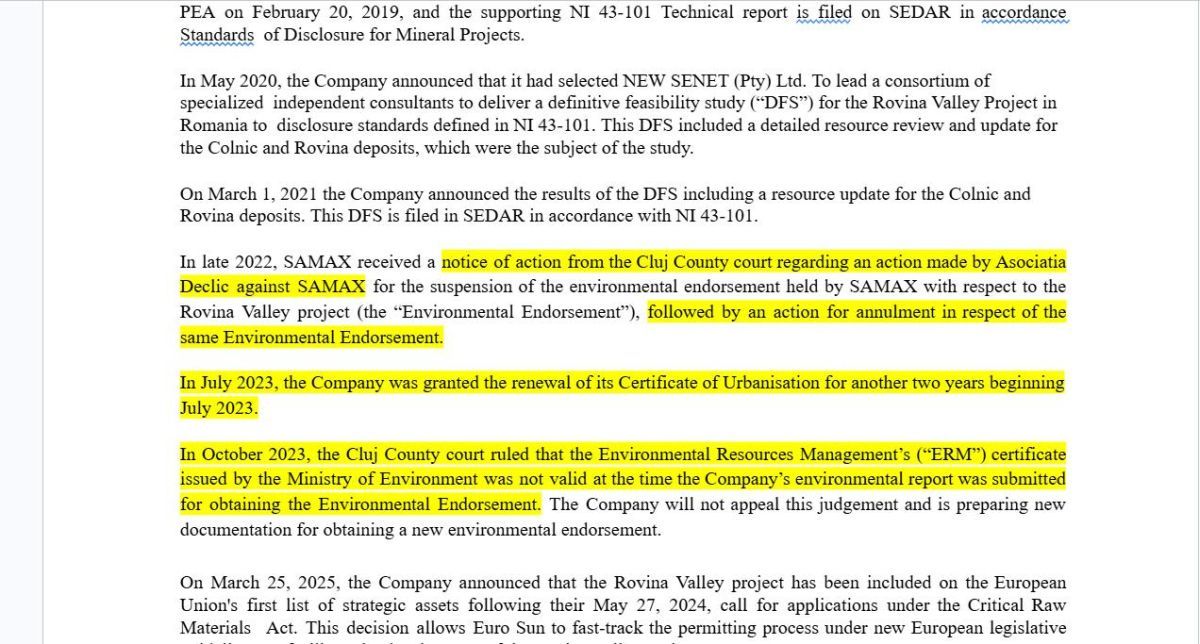
Report March 2026 / Management Report, Samax, March 2026
The MD&A reports seem to practice a strategic omission: Euro Sun Mining mentions the litigation with Declic Association, which produced a legal effect—the annulment of the environmental permit. However, it omits information about the authentic local resistance represented by the EcouRovinaBucureșci Association or by landowners who refuse to sell their properties.
For investors on the Toronto Stock Exchange, a conflict with a national NGO (like Declic) looks like a procedural obstacle. A direct conflict with landowners and a local association created specifically to oppose the project signals that the investment is actively fought by at least a part of the local community. Mentioning the intervenor would mean acknowledging that there is no voluntary agreement for the land.
Yet, ESM presents the litigation as objectives outside environmental and citizen rights issues in the area, created by external NGOs. Furthermore, access for prospecting drillings is cited as evidence of cordial relations with the locals.
In the exploration phase (drilling), the project’s impact is limited and temporary. In the exploitation phase (open-pit mining or massive industrial processes), the impact could be irreversible.
The Obligation of Transparency
According to the regulations of the Toronto Stock Exchange (TSX), any listed company has a legal obligation to disclose material risks that could decisively influence the stock price.
The opposition of local landowners could fall into this category. The fact that some citizens within the project’s perimeter refuse to surrender their properties and have organized legally through the Association for the Protection of the Apuseni Mountains-Rovina to block the exploitation could lead to delays or the failure of the entire investment.
Although required by these transparency standards to present shareholders with the complete picture of local resistance, representatives of Samax and Euro Sun Mining seem to choose a selective silence.
If landowners are intervenors in lawsuits against the environmental permit, it is to be assumed they will not sell voluntarily. This could force the company to resort to expropriation—a long, costly, and politically toxic process (see the L413 scandal).
Civic pressure materialized through petitions to withdraw signatures from the L 143 initiative, which provided for expropriations. Through an open letter signed by 60 NGOs addressed directly to the European Commission, this joint position signals legislative abuses at Rovina to international bodies.
How Many Jobs Are We Talking About?
Even in the press release on Globe Newswire, there are no specific mentions of local opposition groups. It focuses on the announcement of a financing facility of up to $200 million from Trafigura and the administrative stages of the project. However, a few points indirectly touch upon relations with the community and authorities: CEO Grant Sboros mentions that following the submission of the Environmental Impact Assessment (EIA), a „close collaboration with Romanian officials to achieve the necessary legislative outcome for the project” will follow.
The project is presented as one that will „unlock investment and create jobs in Hunedoara County,” being described as a project „for the benefit of the Romanian people and Europe.”
Media reports emerging in Romania regarding the project state that the Romanian state is expected to collect royalties exceeding $500 million, and according to older estimates, the Rovina project will create around 1,500 direct and indirect jobs.
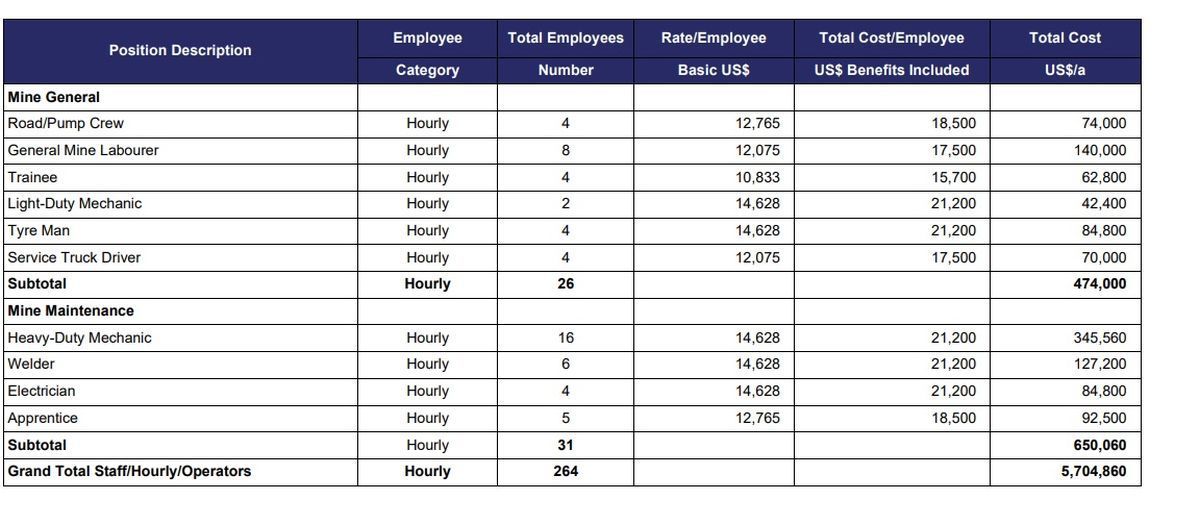
NI 43-101 UPDATED TECHNICAL REPORT ON THE ROVINA VALLEY PROJECT IN ROMANIA Prepared for EURO SUN MINING INC. Prepared by NEW SENET (PTY) LTD Effective Date: March 21, 2022 Source: minedocs.com
The company’s 2022 technical report shows 264 direct jobs, reflecting an approach focused on efficiency and automation. This estimate has not been modified or updated in recent reports. Public promises, however, target the economic revitalization of the entire region through thousands of opportunities.
Editor’s Note: The author of the article, Viorica Bold, a PressHUB correspondent in Cluj, is the president of the EcouRovinaBucureșci Association, an organization that provides legal and social representation for the local community regarding the impact of mining projects in the area.
This article was originally published on Presshub.
Read here: Samax și Rovina: promisiuni economice, litigii și întrebări despre transparență